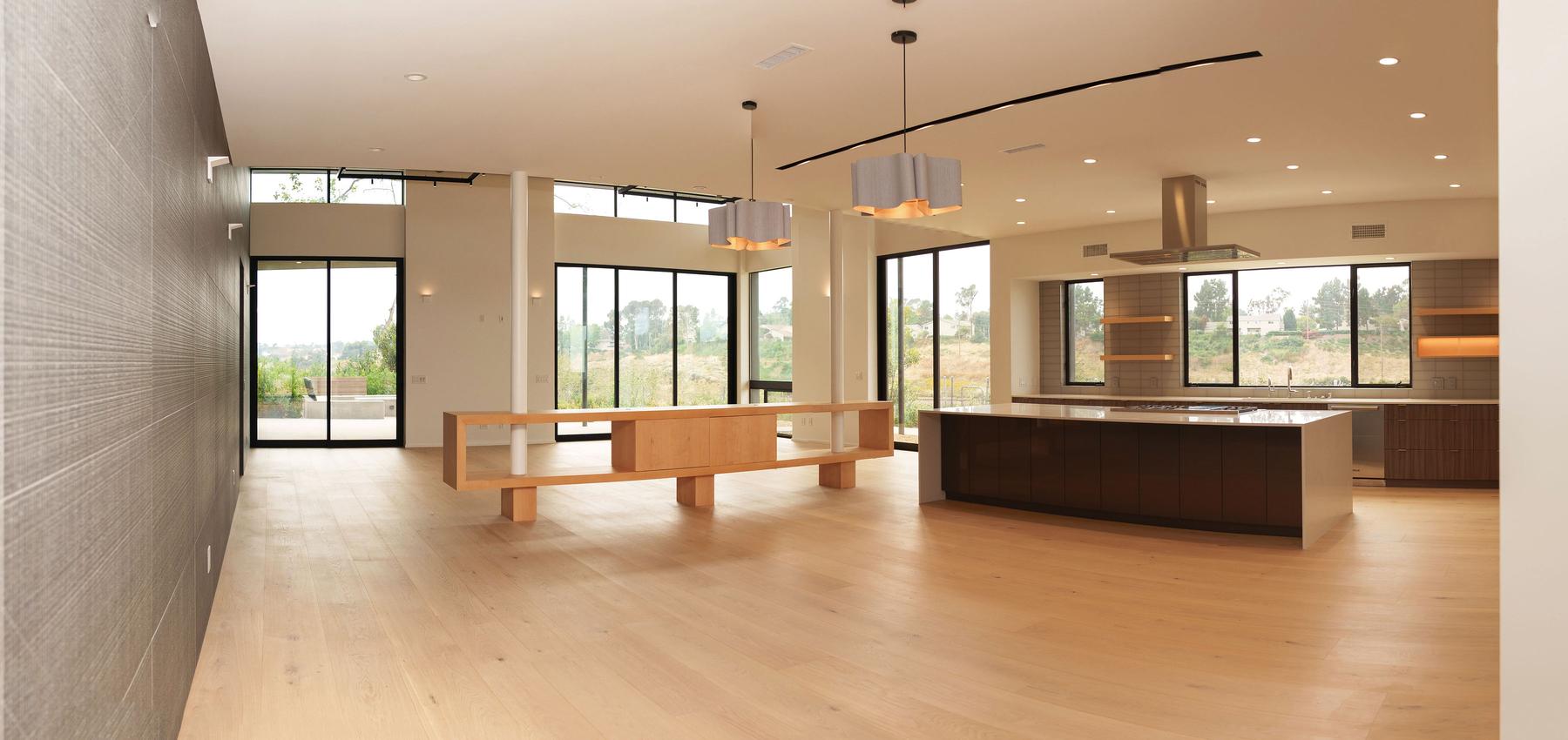
A flooring proposal should do more than list square footage and a product name. It should show how the installer plans to deal with moisture, flatness, trim, transitions, and surprise conditions after demo. The right questions are not complicated, but they expose the difference between a careful bid and a shallow one quickly.
What homeowners should know
The most useful proposal questions are the ones that force specifics. UF/IFAS contractor guidance supports getting the scope and expectations clear before work begins. Flooring manuals support the same idea from the technical side: the work depends on jobsite conditions, not just the material selected.
A short question list usually tells you a lot:
- What moisture tests will you use, and will I get the readings?
- What flatness standard applies to this product?
- What prep is included in the price, and what becomes a change order?
- What goes over the slab or subfloor before the flooring?
- How will transitions, sliders, and room-to-room height changes be handled?
- How much perimeter movement space does the floor require?
That last item matters because many products need an expansion gap, which is the space left at the perimeter so the floor can move without binding.
Why this matters in Sarasota / Lakewood Ranch / Longboat Key / Siesta Key
In this market, weak proposals create expensive surprises. Coastal and seasonal homes often have more moisture risk, stronger sun, and more slider-related exposure. Large open rooms also make prep flaws easier to see once the job is done. A proposal that treats prep as a vague possibility is not helping the homeowner compare bids honestly.
This is also where local conditions show up indirectly. A Longboat Key or Siesta Key project may need more careful discussion of water history. A Lakewood Ranch slab may need a different prep conversation. The proposal should reflect the house, not just the product.
What to look for / ask / avoid
Ask for the selected product's actual installation guide. Then ask where your proposal lines up with it.
Ask whether a vapor retarder or moisture barrier is planned. A vapor retarder is a layer that slows moisture transmission. It is not a generic upgrade and it is not interchangeable across products.
Ask who approves added prep cost after demo. Surprises happen. The better question is whether the process is defined before they happen.
Avoid broad phrases such as "prep as needed" or "minor leveling included" unless the proposal explains what those terms mean. Also avoid signing when the contractor has not identified the riskiest room in the house.
Common mistakes or contractor shortcuts
One common shortcut is keeping the proposal attractive by treating prep as an afterthought. Another is leaving transition details out, even though they affect both appearance and movement. A third is assuming warranty protection will solve everything later. Warranties usually exclude many moisture and site-condition problems, so the proposal matters.
Homeowner complaint threads also show why this step matters: jobs that started cheap sometimes ballooned because the original paperwork did not help the owner understand what the floor actually needed underneath.
Bottom line
Before signing, ask the questions that force the installer to explain testing, prep, movement, and change-order rules in plain English. A good proposal makes the expensive surprises smaller. A weak one leaves the homeowner paying to discover the real job after demolition begins.